


When Samsung unveiled the Galaxy Z Fold7 at Galaxy Unpacked 2025 in Brooklyn on July 9, the foldable world took notice. For the past couple of years, Samsung had been losing ground to aggressive Chinese competitors like Honor, Oppo, and Xiaomi. But with the Z Fold7, Samsung has come back swinging — armed with a 200MP camera, a dramatically slimmer chassis, and next-generation AI features baked into One UI 8.
The Galaxy Z Fold7 released on July 25, 2025, starting at $1,999 (approximately ₹1,89,999 in India). This is a premium device targeting power users, multitaskers, and anyone who wants a tablet experience in a pocket-sized form factor. But does it justify the price tag? Let's find out in this full review.
Quick Specifications at a Glance
Specification | Details |
|---|---|
Display (Cover) | 6.5-inch FHD+ LTPO AMOLED, 2520×1080, 120Hz, 2600 nits |
Display (Main) | 8.0-inch QXGA+ AMOLED, 2184×1968, 120Hz, HDR10+, 2600 nits |
Processor | Qualcomm Snapdragon 8 Elite for Galaxy + Adreno 830 |
RAM / Storage | 12GB/256GB | 12GB/512GB | 16GB/1TB |
Main Camera | 200MP (ISOCELL HP2) + 12MP Ultrawide (AF) + 10MP Telephoto |
Front Camera | 10MP (Cover) | 10MP (Inner, Ultra-wide 100°) |
Battery | 4,400 mAh | 25W Wired | 15W Wireless |
OS | Android 16 with One UI 8 |
Build | Gorilla Glass Victus Ceramic 2 | Titanium Frame |
Dimensions (Folded) | 158.4 × 72.8 × 8.9 mm | 215g |
Dimensions (Unfolded) | 158.4 × 143.2 × 4.2 mm |
IP Rating | IP48 |
Colors | Jet Black, Silver Shadow, Blue Shadow, Mint |
Price (Starting) | $1,812 / ₹1,74,999 (approx.) |
Design & Build: Thinner Than Your Passport
The headline story of the Z Fold7 is its radical weight loss. Measuring just 4.2mm when unfolded and 8.9mm when folded, it is the thinnest and lightest Galaxy Z Fold ever made. At 215 grams, it is lighter than the Galaxy S25 Ultra — a remarkable engineering feat given the complexity of its folding hinge mechanism.
Samsung has addressed one of the most persistent criticisms of the Z Fold series: the narrow cover display. The cover screen has grown from 6.3 inches (Z Fold6) to a much more usable 6.5 inches with a standard 21:9 aspect ratio. This means using the phone while folded no longer feels like squinting at a business card. The inner foldable panel has similarly expanded from 7.6 to 8.0 inches — 11% more screen real estate than the previous generation.
The camera module follows the S25 Ultra's design language, with a triple-lens setup neatly tucked into the top-left corner rather than a large circular bump. The Gorilla Glass Victus Ceramic 2 cover glass and titanium frame give the device a premium, sturdy feel. Available in Jet Black, Silver Shadow, Blue Shadow, and Mint, there is a colorway for every personality.
One notable omission: the S Pen is gone. Samsung has dropped stylus support with the Z Fold7, a decision that will disappoint productivity-focused users who relied on the S Pen for note-taking and sketching. The IP48 rating provides dust and water resistance, though it falls short of the IP68 found on non-folding flagships.
Display: Two World-Class Screens
The Z Fold7 ships with two of the best displays available on any foldable smartphone today. Both the cover and main panels use Dynamic AMOLED 2X technology with LTPO support for adaptive refresh rates up to 120Hz, HDR10+ certification, and a blazing 2600 nits of peak brightness — perfectly readable even under harsh direct sunlight.
Cover Display
The 6.5-inch cover screen (2520 × 1080, FHD+, 422 ppi) with its 21:9 aspect ratio finally makes the Z Fold feel like a proper smartphone when closed. Vibrant colors, deep blacks, and a punch-hole selfie camera with a 10MP sensor (up from the awkward UDC of older generations) make this display a pleasure to use daily.
Inner Foldable Display
The 8.0-inch main screen (2184 × 1968 px, 368 ppi, nearly square 4:3.6 ratio) is where the magic happens. Samsung has significantly reduced the center crease compared to earlier Fold models — it is less visible and less tactile than ever before, besting most of the competition. The nearly square canvas excels at multitasking, reading documents, and watching video content in split-screen mode.
Worth noting: Samsung has not adopted Dolby Vision support, which is a persistent gap. However, the panel streams HDR content flawlessly from Netflix, YouTube, and Prime Video, so this is more of a technical footnote than a practical limitation.
Performance: Snapdragon 8 Elite Dominates
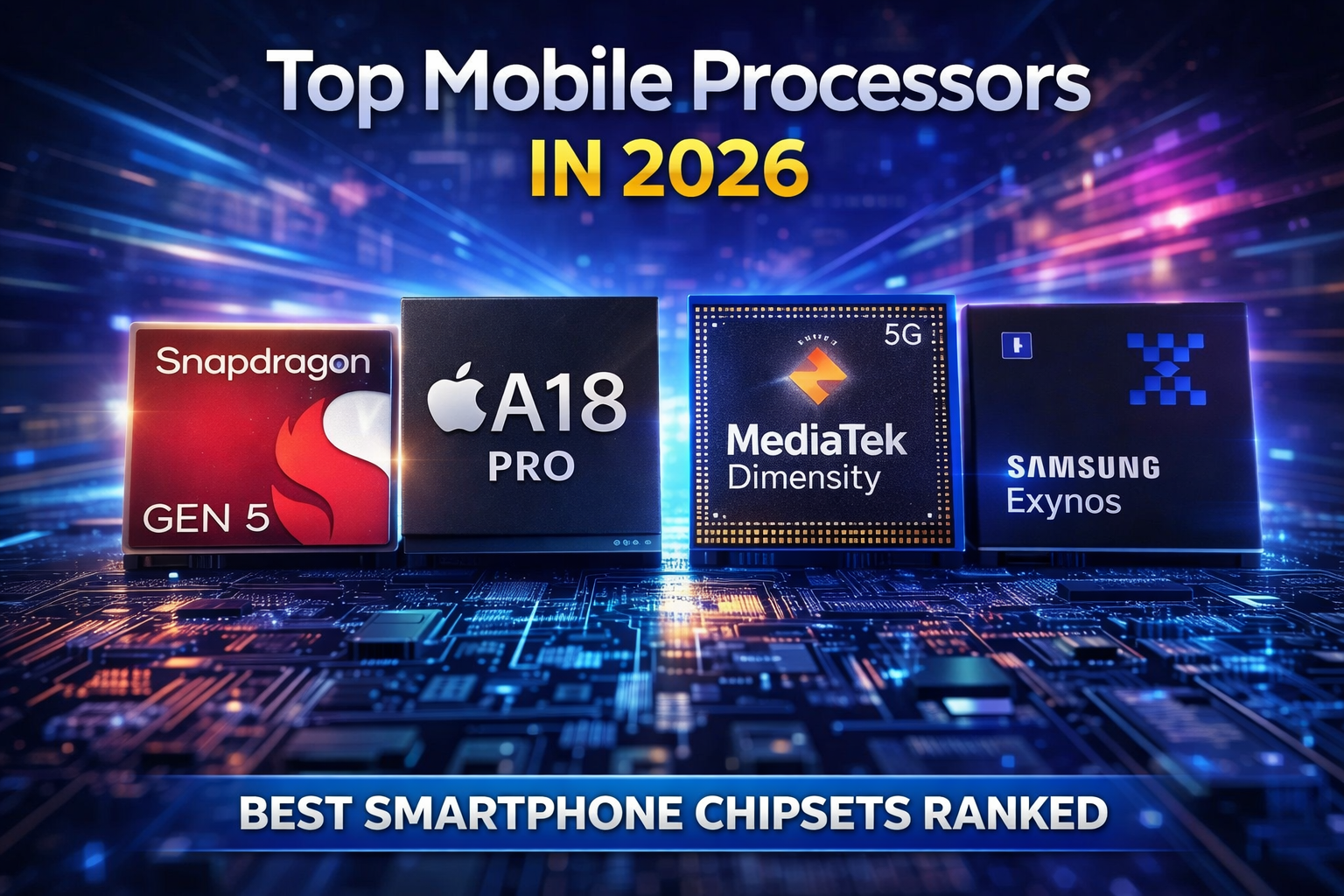
Powering the Z Fold7 is the same Qualcomm Snapdragon 8 Elite for Galaxy chip that drives the Galaxy S25 Ultra, paired with the Adreno 830 GPU. With up to 16GB of RAM in the top-end configuration, this phone handles absolutely everything without breaking a sweat.
Gaming, heavy multitasking, 4K video recording, and running multiple DeX-style windowed apps simultaneously — all of it is handled effortlessly. The Snapdragon 8 Elite's neural processing unit (NPU) also turbocharges the on-device AI features that Samsung and Google have embedded into One UI 8 and Android 16.
The only caveat is heat management. Under sustained GPU-intensive workloads on warm days, some reviewers have noted minor thermal throttling. Samsung offers 'Standard' and 'Light' performance profiles in settings for users who want to prioritize cooling efficiency over raw speed.
Camera: The Best on a Fold, Yet
The Z Fold7's camera system represents a generational leap over its predecessors. Samsung has fitted the device with the same ISOCELL HP2 200MP primary sensor from the Galaxy S25 Ultra — a first for any Fold device.
Rear Camera System
200MP Main (f/1.7, OIS): Exceptional detail capture, outstanding low-light performance with Nightography, and the Samsung Pro-Visual Engine ensure sharp, natural-looking images. Color accuracy has been noticeably improved over older Fold devices.
12MP Ultrawide (f/2.2, AF): The addition of autofocus to the ultrawide enables close-up macro-style shots, which is a genuine improvement. However, detail resolution still trails the primary sensor considerably.
10MP Telephoto (3x optical zoom): This is where the Z Fold7 shows its limitations. A 3x telephoto at 10MP is underwhelming at this price point — Chinese rivals offer 5x or even 10x periscope zoom. For casual zoom shots it is fine, but dedicated photographers will feel short-changed.
Selfie Cameras
Both the cover and inner selfie cameras are now 10MP sensors — a significant upgrade, especially for the internal camera which previously shipped with a 4MP under-display setup. The inner front camera features a super-wide 100° field of view, making group selfies with the large unfolded display genuinely impressive.
Video
Video capabilities are best-in-class for a foldable, with 8K recording on the main sensor and strong stabilization across all cameras. The Z Fold7 also excels as a vlogging device thanks to the large inner screen acting as a real-time preview monitor.
Software: One UI 8 + Android 16 with Galaxy AI
The Z Fold7 ships with Android 16 and One UI 8, Samsung's most polished foldable software experience to date. Samsung and Google have collaborated to build a hybrid tablet/desktop interface that maximizes the inner display's potential.
Key software highlights include:
• Now Brief: Proactive AI-powered daily summaries from your calendar, emails, and news.
• Galaxy AI features: Live Translate, Circle to Search, AI photo editing, Generative Edit, and Note Assist.
• Taskbar and App Continuity: Seamlessly transition apps between the cover and main screen.
• Flex Mode: App optimization for half-open angles — useful for video calls and photography.
• DeX Mode: Connect to an external monitor for a full desktop-like experience.
• Gemini AI integration: Google's Gemini overlaid across the OS for on-screen context awareness.
Samsung promises seven years of OS updates and security patches — exceptional long-term value for such an expensive purchase.
Battery & Charging: The Achilles' Heel
The Z Fold7 carries a 4,400 mAh battery — identical to the Z Fold6 despite the thinner build, which is genuinely impressive engineering. Real-world battery life is decent for moderate users, though power users will likely need a top-up by evening.
However, the charging situation is a significant disappointment. The Z Fold7 tops out at just 25W wired charging — the same as a mid-range Galaxy A-series phone. At a $1,999 price point, this feels indefensible. Competitors in the Chinese foldable market (and even Motorola's $400 Moto G devices) offer 65W or even 80W charging. A full charge takes approximately 80 minutes. Wireless charging is limited to 15W.
The lack of silicon-carbon battery technology — which would have allowed a larger capacity battery in the same slim chassis — is another area where Samsung trails the Chinese competition.
Pros & Cons
Pros
• Industry-leading 200MP main camera on a foldable
• Exceptional thinness — 4.2mm unfolded, comparable to a credit card stack
• Dramatically improved 6.5-inch cover display with standard 21:9 ratio
• Snapdragon 8 Elite delivers top-tier performance
• 7 years of software and security updates
• Reduced inner screen crease — best on a Samsung Fold to date
• Excellent multitasking with One UI 8 and Android 16
• Galaxy AI feature suite is genuinely useful
Cons
• 25W wired charging is embarrassingly slow for a $1,999 flagship
• S Pen support has been dropped
• Telephoto camera (3x/10MP) underperforms rivals at this price
• No Dolby Vision support
• No silicon-carbon battery — only 4,400 mAh
• IP48 water resistance, not IP68
• Premium pricing may feel hard to justify purely on value
Verdict: Samsung Is Back in the Fold
The Samsung Galaxy Z Fold7 is undeniably the best Fold smartphone Samsung has ever made. After two years of stagnation, it finally matches Chinese rivals on design and thinness, while outpacing them on software polish, camera primary sensor quality, and long-term update support.
For users in the US and Europe where Chinese foldables are harder to source, the Z Fold7 is the definitive foldable choice. Its cover screen is finally usable, its main camera is exceptional, and One UI 8 remains the gold standard for foldable-optimized software.
The caveats are real — slow charging, no S Pen, and a modest telephoto camera — but none are dealbreakers for most users. If you want the most polished foldable experience money can buy in 2025, the Galaxy Z Fold7 earns a strong recommendation.
Rating: 4.5 / 5 ⭐⭐⭐⭐½
Explore More Top Smartphones
If the Galaxy Z Fold7 has caught your attention, you may also want to compare it against other flagship powerhouses dominating the market right now:
Samsung Galaxy S26 Ultra — Samsung's flagship bar-form smartphone for 2025 pushes performance, camera, and S Pen integration to new heights. A natural comparison for those who want Samsung's best without the fold.
Apple iPhone 17 Pro Max — Apple's most powerful iPhone yet, featuring the A19 Pro chip, a pro-grade camera system, and the iconic iOS experience. The Z Fold7's arch rival for premium smartphone supremacy.
Xiaomi 17 Ultra — Xiaomi's ultra-flagship boasts one of the most formidable camera systems in the industry, including a Leica-tuned periscope telephoto that surpasses the Z Fold7's zoom capabilities.
Vivo X300 Ultra — Vivo's Ultra flagship is engineered for camera connoisseurs, featuring a massive 1-inch type sensor and extraordinary zoom range that challenges the very best camera phones of 2025.


Comments
Login or create an account to post a comment.